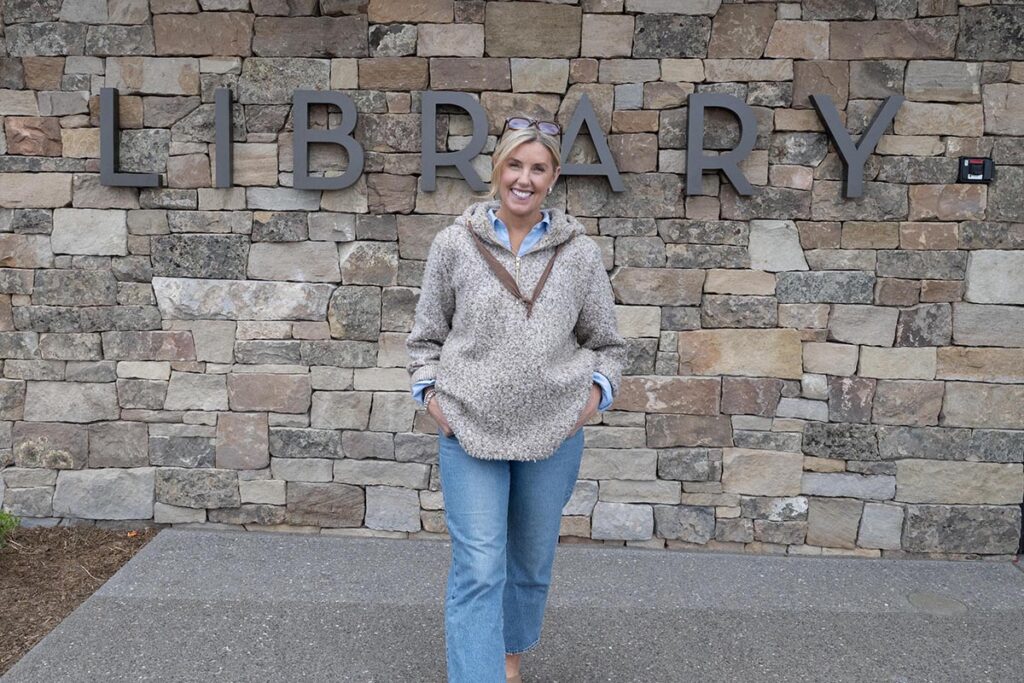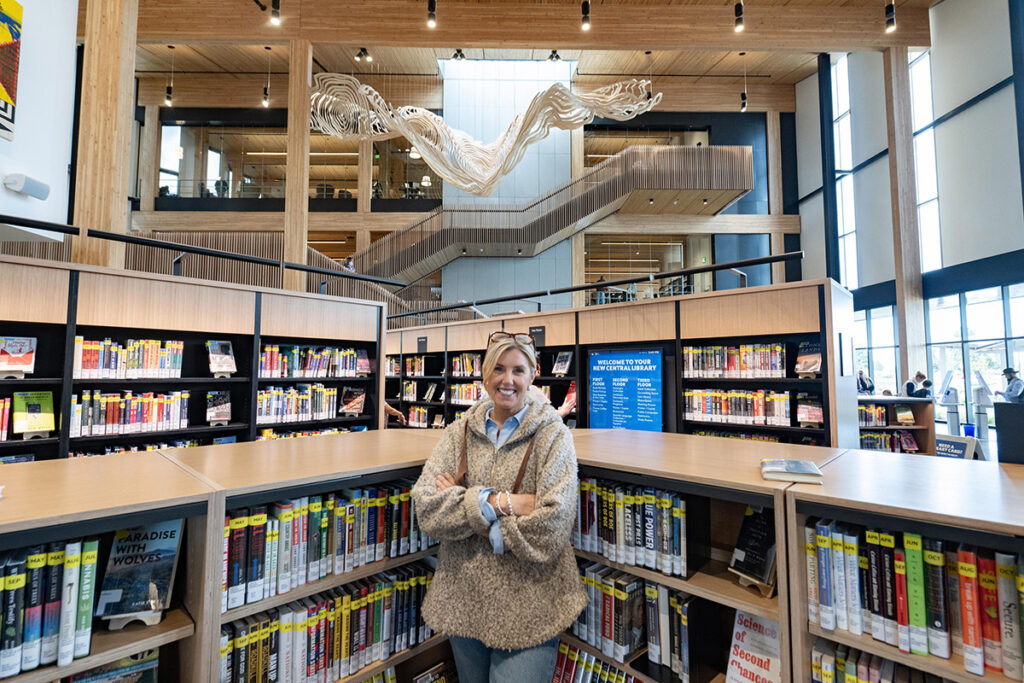

On the first Saturday Bend’s new Central Library at Stevens Ranch was open to the public, the parking lot was already full by early afternoon. Inside, the building had become something increasingly uncommon in modern life: a place where people were simply together again. In the years since COVID pushed so much of life behind screens and away from one another, many public spaces have felt quieter, more transactional, and less human. But here, people seemed to have permission to reconnect again. Boomers, Millennials, Gen X parents, Gen Z teenagers, and young children shared the same space naturally and without agenda. Teenagers gathered around tables with iced coffees and homework. A retired man experimented with a 3D printer for the first time while chatting with someone nearby. In the children’s section, a toddler pulled books from the shelves while his mother exchanged smiles and small conversations with other parents. No one was rushing. No one was being sold anything. Strangers simply shared the same space together, quietly reminding one another what community should feel like.
That may be the most remarkable thing about Bend’s new library.
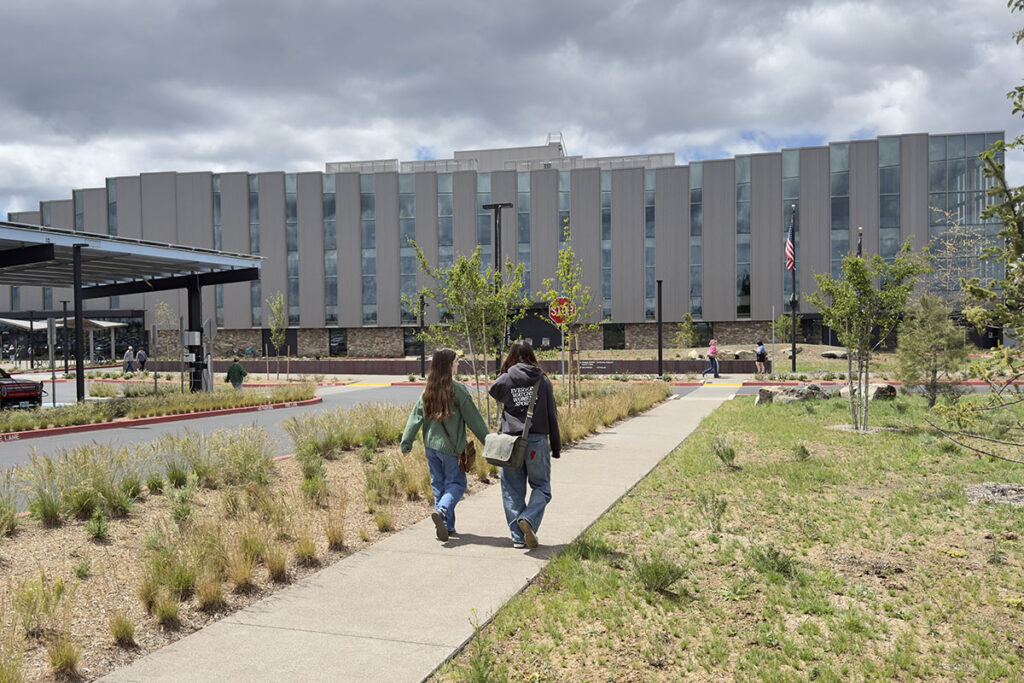
In a city ranked among the fastest-growing in the United States, where newcomers arrive searching for reinvention and longtime residents quietly wonder what Bend is becoming, the library offers something increasingly rare: a place where people can simply exist together without being marketed to, priced out, or pushed along.
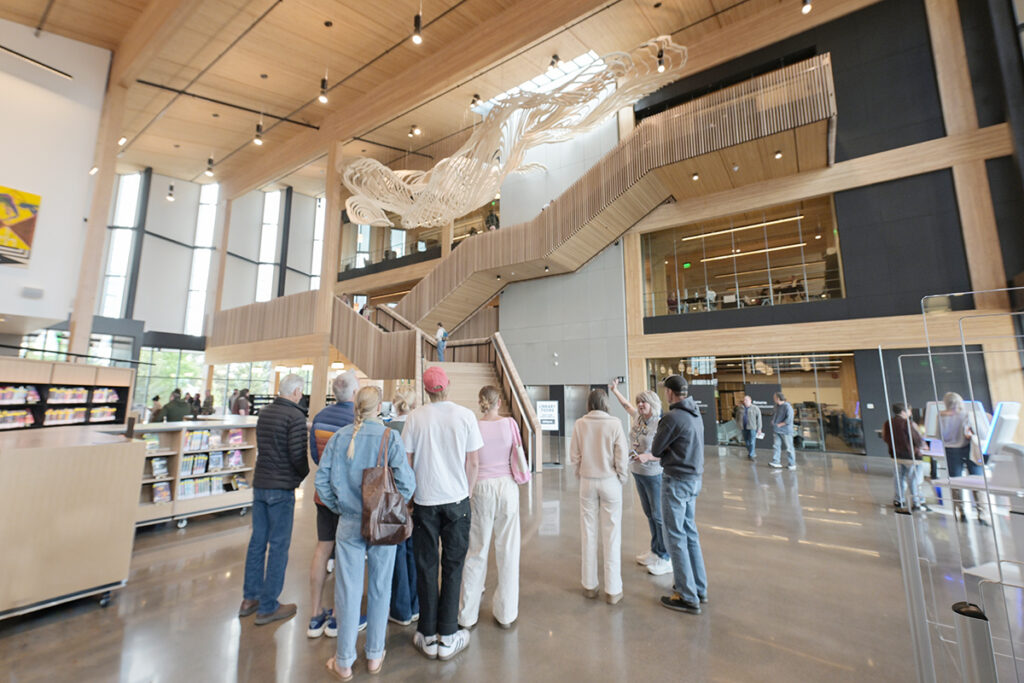
The new Central Library rises from Bend’s southeast side in the Stevens Ranch development, where thousands of new homes are expected in the years ahead. Designed with soaring glass walls, warm timber, natural light, and expansive mountain views, the building feels less like a traditional library and more like a modern civic living room. Inside are maker spaces, community gathering rooms, public art, quiet reading lounges, more than 165,000 books, and a welcoming café from local favorite Thump Coffee. Even the art throughout the building was curated to spark reflection, curiosity, and a deeper sense of place.
“Southeast Bend is where so much of the city’s future growth is happening,” says Michele Anderson. “Thousands of people are going to build lives there over the next decade. Having a place designed for connection from the very beginning matters. It helps a growing part of the city feel like a community instead of just another development.”
Designed by acclaimed Pacific Northwest architecture firm The Miller Hull Partnership alongside Steele Associates Architects, the library’s soaring timber structure and mountain inspired design are striking. But the building’s deeper significance has less to do with architecture than with what Bend itself seems to be searching for again.
Anderson, a broker with Cascade Hasson Sotheby’s International Realty, who has worked in Bend real estate for 16 years, believes the building reflects a larger question facing fast-growing Western cities everywhere: How do you preserve human connection while a place rapidly transforms around it?
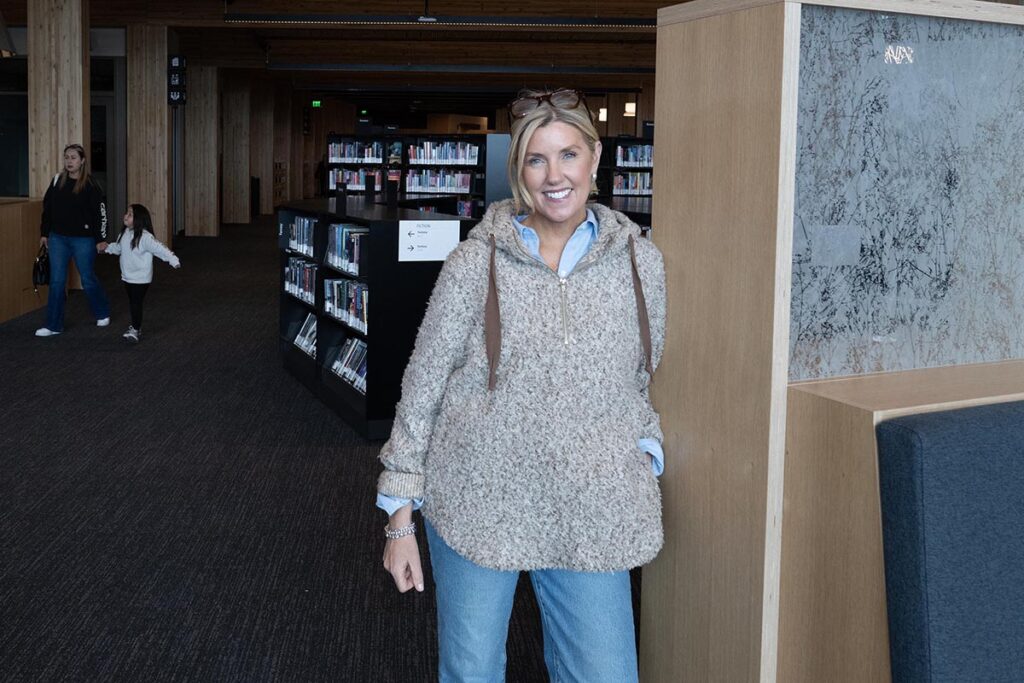
“In real estate, people talk constantly about inventory, property values, and development,” Anderson says. “But what actually makes people stay somewhere emotionally? What makes a place feel like home? It’s spaces where people can belong without needing permission.”
Anderson serves on the Deschutes Public Library District Board, but her connection to libraries began long before public meetings and bond measures.
Growing up, she spent several summers with her father in Copiah County, Mississippi, and often found herself drawn to the small downtown library. The librarians knew her by name. She remembers settling into quiet spaces with books and discovering what reading offered her: escape, imagination, perspective, and the sense that there were bigger worlds waiting beyond her own. In those quiet aisles, she found a rare feeling of comfort and belonging, something she still carries with her today.
“There’s something powerful about a place that expects nothing from you except curiosity,” she says. “You carry that feeling for the rest of your life.”
It’s an idea that feels almost radical now.
For years, Bend sold itself through movement: skiing, biking, hiking, entrepreneurship, growth. But beneath the city’s outdoorsy optimism sits a quieter reality familiar to many booming places. People arrive knowing no one. Remote workers spend entire days alone in front of screens. Longtime residents wonder if the culture that once defined Bend has slipped away. In an era of smartphones, algorithms, and constant digital stimulation, many people are quietly experiencing a deeper sense of isolation than ever before.
“You can sell someone a beautiful house,” Anderson says, “but if they don’t find community, they’ll still feel untethered. People are hungry for places where they can naturally cross paths with each other again.”
That sense of connection is what Bend’s new Central Library was designed to restore. The library was envisioned less as a traditional repository for books and more as what planners call a third place, neither home nor work, but something equally essential.
There are lounges designed specifically for high school students. Quiet reading areas. Creative studios. Public meeting rooms. Clubs ranging from gardening groups to Dungeons & Dragons. Volunteer lawyers offering free legal help. Children climbing through play areas built for storytelling and imagination. Upstairs, adults experimenting with tools and technologies they may never otherwise have access to.
And unlike nearly every other gathering space in modern American life, almost none of it requires spending money.
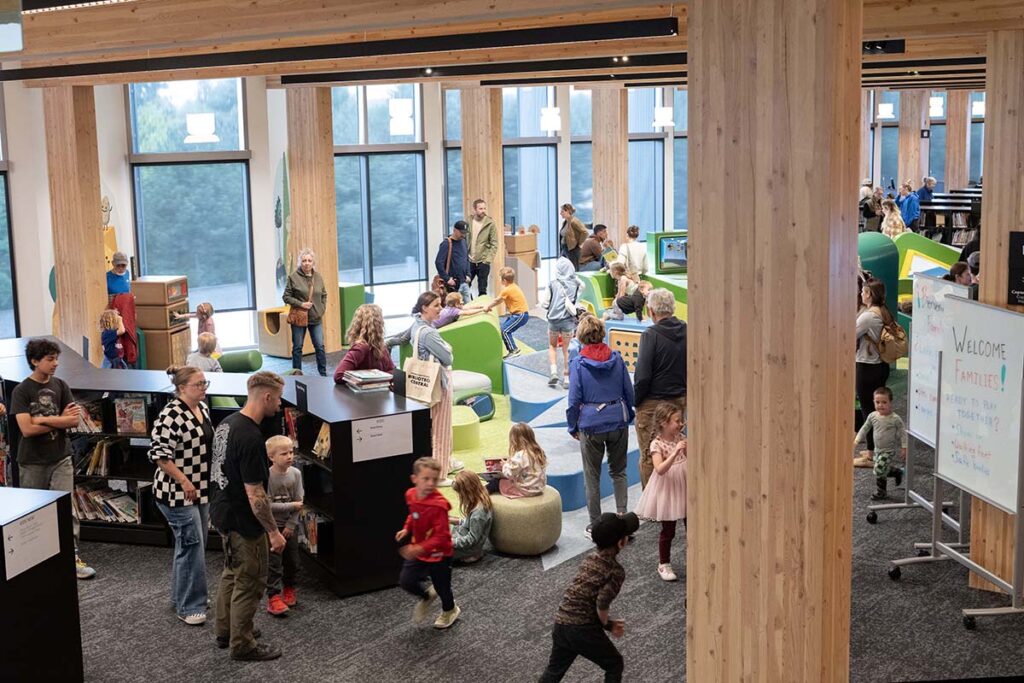
“No barriers,” Anderson says. “That’s what’s powerful about it. You don’t have to buy a membership. You don’t have to explain yourself. You can just walk in curious.”
Curiosity may be the library’s most undervalued offering.
Algorithms train people to consume more of what they already like. Libraries still encourage wandering. A teenager looking for fantasy novels accidentally discovers philosophy. A retiree signs up for a watercolor class and rediscovers creativity after decades away from it. Someone grieving stumbles into a lecture, a book club, or a conversation.
“It’s one of the last places where discovery isn’t being optimized for you,” Anderson says. “You get to surprise yourself there.”
Before the bond measure passed in 2020 to fund major library improvements across Deschutes County, library leaders spent years gathering public feedback. They interviewed thousands of residents, not just inside libraries but at senior centers and community spaces throughout the region. People consistently asked for gathering spaces, children’s programming, creativity, and connection.
In other words, they weren’t simply asking for books, they were asking for civic life.
The result is a library system that increasingly functions as social infrastructure for Central Oregon. The new Bend library joins renovated branches in Sisters, Sunriver, La Pine, and Redmond, creating what Anderson sees as a county-wide investment in community identity during a period of rapid growth.
“When cities grow quickly, you can lose the rituals and gathering places that make people feel rooted,” she says. “Libraries quietly hold those things together.”
There is something distinctly Western about the challenge Bend now faces. For generations, Western cities sold freedom and reinvention. But reinvention can sometimes become transactional. Communities become collections of consumers rather than neighbors.
The library pushes gently against that current.
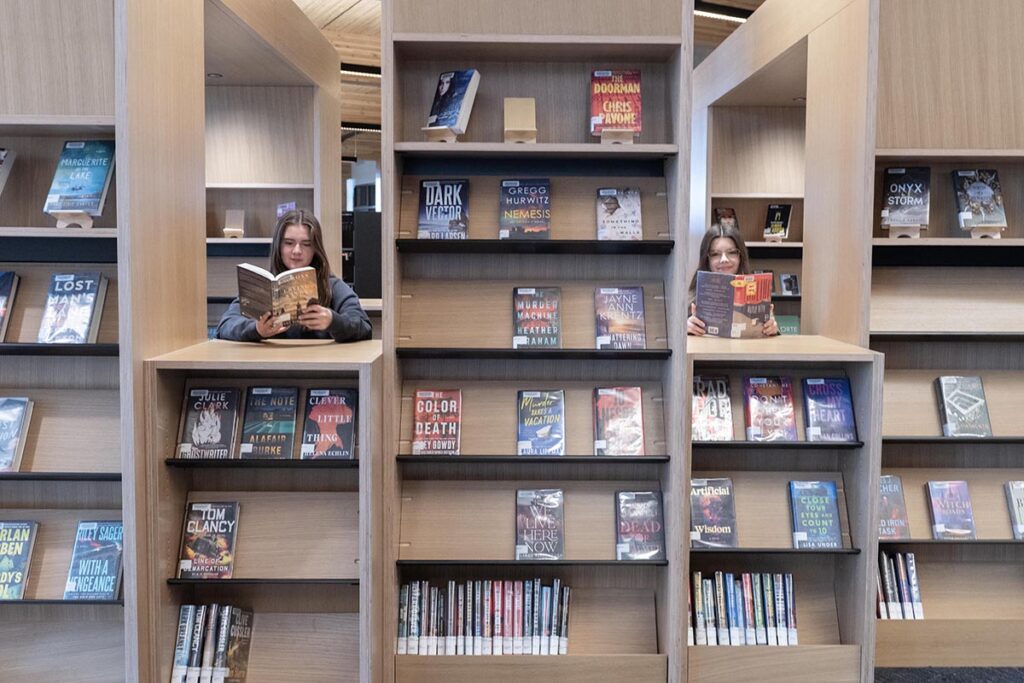
On opening week, Reagan Boggs, a sophomore at Mountain View High School, arrived planning to spend an hour studying with her friend Gigi.
“We came here to study,” she says, “but honestly we kept getting distracted by all the features of this library. There are so many different things to do here. It just feels alive, and somehow we ended up hanging out here for three hours.”
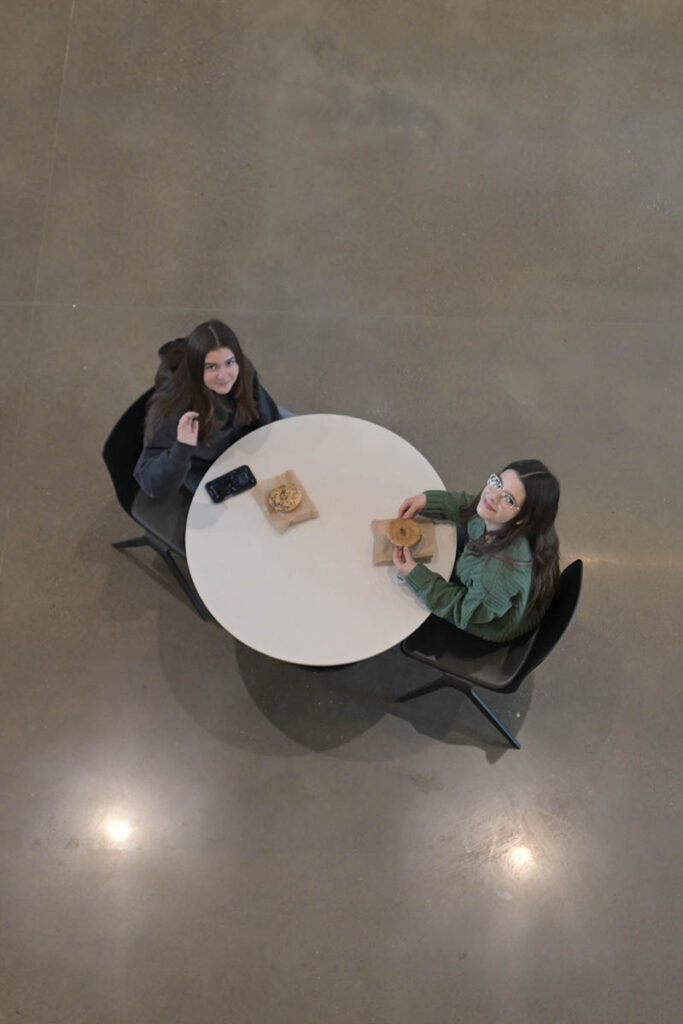
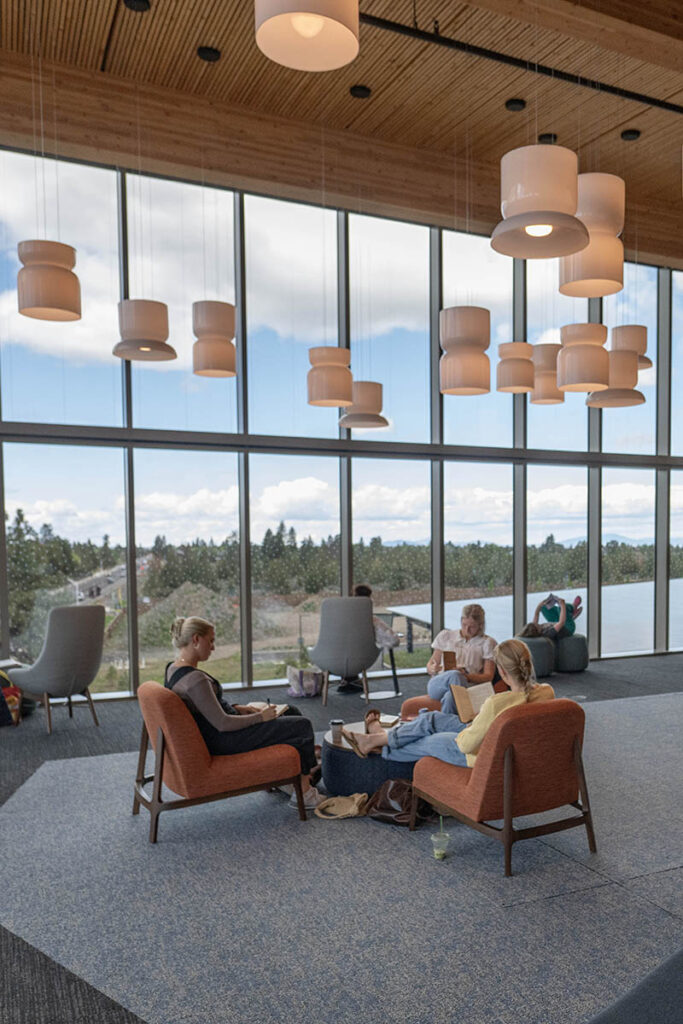
Anderson noticed the same thing while watching teenagers naturally gravitate toward the new teen section.
“They had their coffees, they were sprawled out talking, hanging out,” she says, laughing. “And honestly, seeing teenagers choose to meet at the library felt incredibly hopeful.”
Hopeful because teenagers rarely spend time in places that aren’t artificial.
The library seems to understand something many public institutions have forgotten; people, especially young people, want autonomy as much as programming. They want places where they can think, drift, linger, and become.
“Teen years are messy,” Anderson says. “But they’re also when people are figuring out who they are. Having spaces where they can safely explore that matters enormously.”
Throughout the building are reminders that the library’s vision extends beyond literacy. A “Library of Things” allows residents to check out sewing machines, tools, cameras, and games. Maker spaces encourage experimentation over expertise. Local artwork hangs throughout the building, reinforcing the idea that creativity belongs to everyone, not just professionals or institutions.
The underlying message is subtle but unmistakable: your life does not have to narrow as you age.
Anderson often thinks about that idea through the lens of Bend itself.
“So many people move here for lifestyle,” she says. “But lifestyle can’t only mean recreation or real estate or consumption. A healthy city also needs intellectual life, creative life, and public life. Otherwise you end up with a beautiful place that still feels lonely.”
More than a building, a library is one of the purest expressions of humanity, a place where strangers become neighbors and where imagination, learning, connection, and self discovery still belong to everyone.
Central Library at Stevens Ranch
Michele Anderson, Real Estate Advisor Cascade Hasson Sotheby’s International Realty